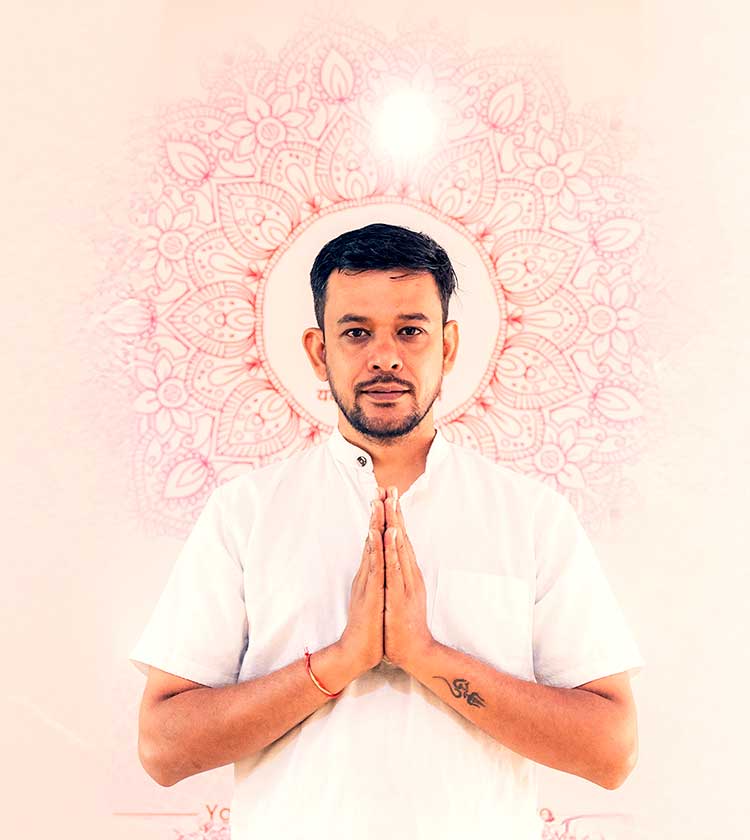

Ayurvedic Dinacharya: A Day in the Life at a Rishikesh Ashram
Before the existence of alarm clock apps or productivity hacks, Ayurveda had already discovered how to spend the day in the most beneficial way possible.
Ayurvedic dinacharya regulates the day of waking, eating, working, and resting around the processes of nature rather than teaching people to act contrary to these processes. Thus, in a place such as Rishikesh where the Ganga River sets the rhythm of city life, and the Himalayas greet every sunrise, this ancient methodology does work for real life.
What Is Dinacharya? Understanding Ayurveda's Daily Routine
The definition of Ayurvedic dinacharya is quite straightforward once you look at the etymology of the word. The word "dina," which means "day," when combined with the word "charya," which means "behavior," leads to something that indicates a series of instructions, including waking up, getting rid of waste, cleaning the teeth, doing oil massage, exercising, eating, and sleeping.
Ayurvedic texts like Charaka Samhita or Ashtanga Hridaya talk about Ayurvedic dinacharya as the method of keeping the balance of the doshas (Vata, Pitta, and Kapha) acting in accordance with nature and getting stronger or weaker throughout the day. Dinacharya does not wait until the state of imbalance happens (tiredness, bad digestion, disturbed head) but prevents such a condition from evolving.
Why an Ayurveda Daily Schedule Matters for Yogis
The role of an Ayurveda daily schedule for yogis is crucial but not limited to wellness only - it also promotes the yogic practice itself. When the digestive heat (Agni) is present, the mind is free from cloudiness, and the nervous system isn't exhausted by a disturbed sleep-wake routine; asana, pranayama, and meditation yield much better results. The reason is that Ayurveda and yoga appeared in the same era and thus are closely related. Our students at Rishikesh Yoga Ashram learn in the course of the Ayurveda Course how both systems complement each other, as Ayurveda prepares one for the practice of yoga.
That is also the reason why training programs are structured around a set timetable at traditional ashrams instead of loose plans.
Morning Rituals at a Yoga Ashram: Brahma Muhurta to Breakfast
The practice of Ayurvedic dinacharya commonly commences much ahead of the normal waking time that people usually keep. Individuals wake up at Brahma Muhurta, which is the time almost one and a half hours before sunrise when the mind is clear and calm. There is a simple sequence that practitioners follow:
- Waking and tongue scraping, then oral cleansing to get rid of Ama that builds up overnight
- Splashing cold water on the face and eyes to wake up the senses
- Gentle massage (Abhyanga) with warm oil in some programs for better circulation
- Practicing pranayama and asanas suitable for early morning hours
- Eating a light breakfast after the sign of genuine hunger (not by habit)
Thus we see how Ayurvedic dinacharya works, and nothing happens in a random order.
A Sample Daily Routine at a Rishikesh Ashram
A day in the Rishikesh ashram typically proceeds as follows:
|
Time |
Activity |
|
6:00–6:30 AM |
Wake up, cleansing rituals |
|
7:00–8:00 AM |
Pranayama |
|
8:00–9:30 AM |
Asana practice |
|
9:30–10:30 AM |
Sattvic breakfast |
|
11 AM–12:00 PM |
Philosophy or Ayurveda class |
|
12:30–1:30 PM |
Lunch |
|
1:30–2:30 PM |
Rest |
|
2:30–3:30 PM |
Self-study or assignment |
|
3:30–4:00 PM |
Tea break |
|
4:00–5:00 PM |
Applied practice (alignment, therapy techniques) |
|
5:30–6:30 PM |
Meditation |
|
7:00–8:00 PM |
Dinner |
Ayurvedic rules govern the timings of meals, with lunch set as the main meal of the day at midday, when digestion is strongest, and dinner meant to be light and consumed early to enable the digestive system to function well before sleep. Almost everyone observing these rules has commented that within a few days their energy becomes constant throughout the day, afternoon drops are not observed, and sleep gets deeper at night.
Ashram Daily Routine India: Afternoon and Evening Practices
In addition to the morning activities, a routine followed in an ashram acknowledges the natural drop in energy in the post-noon period, as well as the decreasing activity levels of the mind as evening approaches. The afternoons are regarded as time for study, rest, or practicing skills, instead of engaging in physical activity, which takes into account the body's need to digest food eaten at lunch.
Bringing an Ayurvedic Lifestyle in Rishikesh Home With You
Once you come back home after completing your Ayurvedic training in Rishikesh, you may find it challenging to keep practicing what you've learned. Your daily routine might look different given your local time zone and job. However, once home, you'll need to stick to the principles of your new lifestyle and follow them closely. The main points are to follow the same wake-up time as you did in Rishikesh, take a proper breakfast, have the largest meal at midday, get some exercise before starting work, and wind down before sleep without using devices.
The duration of the Ayurveda Course in Rishikesh gives you good opportunities to acquire the skills needed for this adjustment period, and following an Ayurveda daily schedule consistently makes the transition much smoother.
The Science Behind Dinacharya
The idea of the importance of routine in Ayurveda has attracted the interest of many scientists studying circadian biology and preventive medicine. A peer-reviewed review published in TMR Integrative Medicine explores daily practices in Ayurveda, such as sleeping and waking up at fixed times and dieting, and argues that Ayurvedic dinacharya could be implemented as a systems-based therapy influencing the body's rhythms. The authors note, however, that more controlled research is needed to support concrete claims about this concept - a reasonable point, since dinacharya is best perceived as an organized lifestyle concept rather than an alternative to medical treatment.
Rishikesh: India's Wellness Capital
This town stands as an example of how to pursue wellness tourism. Recent statistics cited in a The Street report indicate that Rishikesh's tradition as the birthplace of yoga continues to attract visitors, with international arrivals nearing one million in the 2023–2024 period - a surge that has drawn new investment into hospitality across the region. However, the changes in the industry have not impacted the core principles that govern life in the ashrams.
Start Your Day the Ayurvedic Way
Whether you are registering for the full 200-Hour Yoga Teacher Training Program or opting for the specialized Ayurveda Course, spending even a week living out true Ayurvedic dinacharya will change the way you view your mornings, meals, and sleep long after you leave the Ganges. If you want to learn more about the facilities, food, and accommodations that support this process, visit Ashram Facilities or read more helpful advice on our blog.
Would you like to experience this process yourself? Contact Rishikesh Yoga Ashram and establish a new routine that will impact your daily life forever!
FAQs
1. What time do you wake up for Ayurvedic dinacharya at an ashram?
Most ashrams in Rishikesh wake their guests during Brahma Muhurta, i.e., approximately 90 minutes before sunrise, which usually falls between 6:00 and 6:30 a.m. This time is ideal according to Ayurveda as it prepares the body and mind for the day, promoting clarity of thought.
2. Do I need prior yoga or Ayurveda experience to follow this routine?
The schedule is suitable for everyone, from novices to experts. Many trainings, such as the 7-day Ayurveda Course at Rishikesh Yoga Ashram, do not expect any previous experience. You learn as you go.
3. Is the Ayurveda daily schedule the same for everyone?
There is a common pattern that defines the timing of waking up, eating meals, exercising, and resting. However, Ayurveda prescribes specific treatments, like oil massage, according to the dosha of the individual. In an ashram, the method is tailored to each person after a Prakriti assessment.
4. Can I realistically maintain this routine once I'm back home with a 9-to-5 job?
Yes. You don't have to stick to the exact same schedule - only the basic rules need to remain. Get up at the same time every day, eat breakfast, make the biggest meal of the day around noon, do some activity before starting work, and avoid gadgets before bed.
5. Is there scientific evidence behind dinacharya, or is it purely traditional?
It is both. Dinacharya is discussed in ancient Ayurvedic texts like the Charaka Samhita, but modern academic studies have also examined it from the perspective of circadian biology and preventive medicine, finding links between regular sleep, exercise, and meals and good outcomes for metabolic and lifestyle diseases - though researchers admit more clinical trials are needed to prove certain claims.

